Streamline Your Brand Design Process with Templates
For many aspiring brand identity designers, the gap between creative passion and professional execution can feel vast. You have the eye for design and the drive to build a business, but the administrative and strategic side of client work often presents a steep learning curve. This is where a structured approach becomes your greatest asset. A well-organized brand identity design process doesn't just improve your workflow; it elevates the quality of your deliverables, builds client trust, and establishes you as a serious professional. Instead of reinventing the wheel for every project, you can rely on proven frameworks that guide you and your client from initial discovery to final brand launch.
What Exactly Are Brand Identity Design Process Templates?
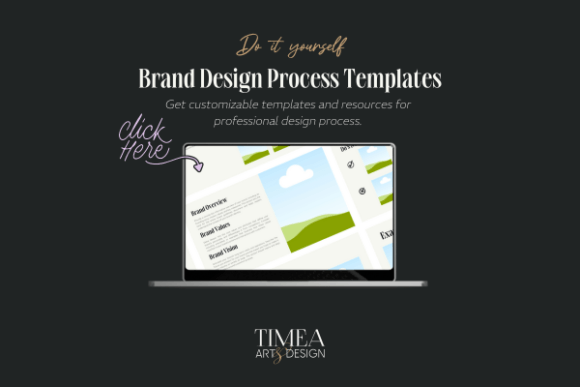
Think of these templates not as a creative cage, but as a professional scaffolding. A comprehensive toolkit, like the one described, provides the essential documents and assets that form the backbone of a successful branding project. Visually, these templates in a platform like Canva are clean, modern, and designed for clarity. They prioritize logical structure and readability over flashy decoration, ensuring that the content—the crucial information about the brand—remains the star. Their personality is one of organization and confidence, projecting a sense of preparedness to clients from the very first interaction.
The appeal lies in their practicality. Each component serves a specific purpose. A Brand Questionnaire Template digs deep into a client's values, target audience, and goals, moving beyond superficial preferences. A Design Proposal Template professionally outlines the scope, timeline, and investment, setting clear expectations. Meanwhile, a Mood Board Template becomes a collaborative tool to visually align on the project's aesthetic direction, whether it's rooted in a serif font for tradition or a sans serif font for modernity. These are the building blocks that transform a vague creative brief into a focused strategic project.
Integrating Templates into Your Creative Workflow
The true power of these resources is how they integrate seamlessly into your daily work, enhancing both efficiency and creativity. Let's consider the client onboarding phase. Instead of a scattered email chain, you use a structured Onboarding Template. This immediately communicates professionalism and puts the client at ease, knowing they are in capable hands. During the research phase, the Project Brief and Brand Questionnaire work in tandem to give you a holistic understanding of the business, informing every design decision from logo design to typography selection.
As you move into the design phase, templates for the Mood Board and Brand Kit keep your explorations organized. The mood board helps you and the client agree on a visual language—perhaps one that uses a script font for warmth or a bold display font for impact. The brand kit template then becomes the central hub for presenting chosen colors, patterns, and font pairings. This structured presentation helps clients see how elements work together as a system, rather than in isolation. Finally, the Brand Style Guide Template is your capstone deliverable. It ensures the client can maintain brand consistency long after the project ends, protecting the integrity of your work and their brand perception.
Beyond the Basics: Strategic Advantages for Your Business
Adopting a templated process does more than just organize files; it fundamentally changes the client experience and your business's scalability. When you present a clear Project Timeline Template, you manage expectations and reduce anxiety, leading to smoother approvals. A professional Design Proposal justifies your pricing by clearly articulating the value and phases of work. This structured approach minimizes revisions and scope creep because everyone is aligned from day one.
Furthermore, these templates are versatile assets. The principles and documents you use for a local bakery's brand identity are equally applicable to a tech startup or a personal blog. The core process of discovery, strategy, design, and documentation remains the same. This consistency allows you to refine your process over time, making each project more efficient than the last. It also frees up mental energy. With the administrative and strategic framework handled, you can dedicate more brainpower to the creative challenges that truly excite you—like crafting a unique logo design or developing a compelling visual system for packaging design or web design.
Choosing and Implementing Your Toolkit
When selecting a template suite, look for adaptability and comprehensiveness. The best resources are customizable, allowing you to inject your own brand's voice and style into the client-facing documents. Ensure the toolkit covers the entire client journey, from initial inquiry (with email templates) to project wrap-up (with an offboarding template). A Guide on Setting Up a Free Client Portal can be a game-changer for file sharing and communication, adding another layer of professionalism.
Remember, the goal is not to replace your unique creative process but to support it. Use the Brand Style Guide Template as a starting point, but infuse it with your design expertise. Let the Mood Board Template facilitate collaboration, not dictate it. These are tools to enhance your role as a strategist and designer. By implementing a solid brand identity design process, you build a business that is sustainable, reputable, and creatively fulfilling. You move from simply making beautiful things to building lasting, effective brands—a transition that marks the true professional designer.