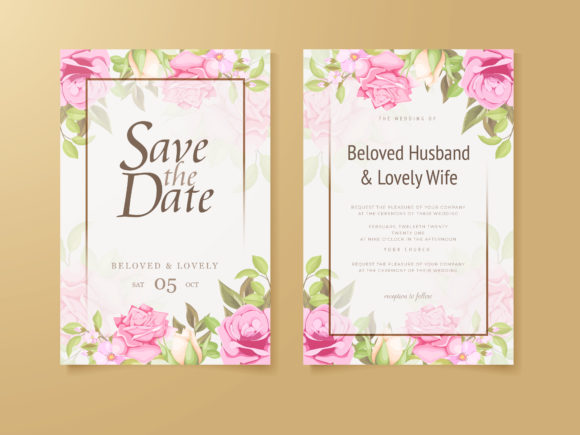
Wedding Invitation Card Flower Templates: Floral Vector Elegance
The moment a guest receives your wedding invitation, they begin to form an impression of your special day. It’s the first tangible piece of your wedding story, and it sets the tone for everything that follows. For many couples, achieving that perfect blend of romance, elegance, and personal touch can feel daunting. This is where thoughtfully designed Wedding Invitation Card Flower Templates become invaluable. They offer a foundation of beauty that you can then make uniquely yours, ensuring your invites feel both professional and deeply personal.
The Visual Personality of Floral Vector Design
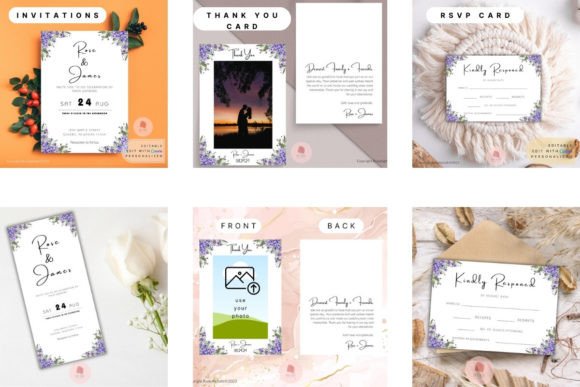
At the heart of these templates lies a beautiful floral vector illustration, typically featuring classic roses and leaves. This isn't just a random graphic; it's a deliberate design choice that communicates specific emotions. Roses symbolize love and beauty, while the accompanying leaves and vines suggest growth, life, and organic connection. The vector format ensures these elements are crisp, scalable, and clean, allowing for intricate detail without any pixelation, whether you're printing a small card or a large poster-sized sign for the reception.
The style strikes a crucial balance. It’s romantic without being overly fussy, and elegant without feeling cold or impersonal. This versatility makes it suitable for a wide range of wedding themes—from classic garden parties and rustic barn weddings to sophisticated city ceremonies and vintage-inspired affairs. The floral motifs act as a versatile design asset, adaptable to different color palettes and typography choices.
Practical Applications Beyond the Invitation
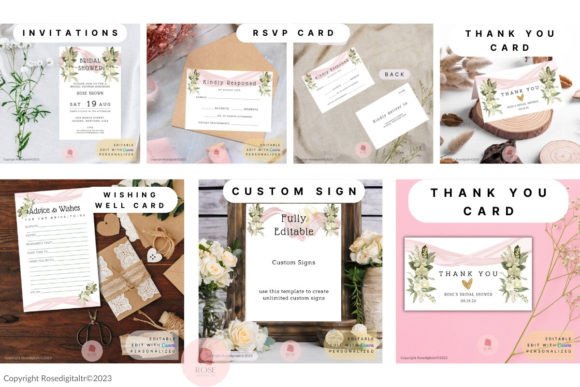
While the primary use is clear, the value of a high-quality Wedding Invitation Card Flower Template extends far beyond a single piece of paper. Thinking like a brand strategist, you can leverage this core design to create a cohesive brand identity for your entire wedding. The same floral vector elements can be repurposed across your entire suite of stationery and communications.
- Save-the-Date Cards & RSVP Cards: Maintain visual consistency from the very first announcement to the final response.
- Day-Of Stationery: Use the template to design matching programs, menu cards, place cards, and table numbers. This creates a polished, intentional look that impresses guests.
- Digital Presence: The template can be adapted for a wedding website, social media announcements, or digital invitations, ensuring a seamless experience for guests navigating between physical and digital touchpoints.
- Decor Elements: The floral vectors can be extracted and used to create custom signage, favor tags, or even a projected monogram for the dance floor.
This approach transforms a single design asset into a comprehensive system, saving you time and ensuring every detail feels connected. It’s a practical application of modern typography and graphic design principles for personal projects.
Ensuring Readability and Visual Hierarchy
A beautiful design fails if it doesn’t communicate effectively. The best Wedding Invitation Card Flower Templates are built with visual hierarchy in mind. The floral elements typically frame or accentuate the text rather than overwhelming it. This careful placement guides the reader’s eye naturally from the most important information (your names and the date) to the supporting details (venue, time, dress code).
When personalizing, your choice of typeface is critical. The template likely pairs well with both serif fonts for a traditional, formal feel and script fonts for a more handwritten, romantic touch. However, readability should always be your priority. A beautiful script font might be perfect for your names, but for smaller details like the venue address, a clean sans serif font often ensures clarity. This thoughtful font pairing is what elevates a good design to a great one, making the information accessible while maintaining the aesthetic.
A Guide to Personalization and Selection
The promise that these templates are "very easy to personalize by yourself" and "editable" is a significant advantage. It puts creative control directly in your hands. Here’s how to approach it practically:
- Evaluate the File Format: Ensure the template is provided in an editable format like PSD (Photoshop), AI (Illustrator), or a layered PDF. This allows you to change colors, text, and sometimes even move the floral elements.
- Test Your Pairings: Before committing, experiment with different font pairings. Try combining a display font for headlines with a simple sans serif for body text. Check the spacing and kerning to ensure everything looks balanced.
- Color is Key: Don’t feel locked into the original palette. The floral vectors can often be recolored to match your wedding theme—blush pinks, sage greens, deep burgundies, or classic navy and gold. This simple change can completely alter the template’s personality.
- Licensing Matters: If you’re a small business owner or entrepreneur using this template for client work or commercial products (like selling printable invitations), you must verify the commercial font and graphic licensing. Most reputable sources clearly state whether the asset is for personal or commercial use.
Should you hit a snag, the guidance to contact us on our social media account if you need some help to personalize specially for your project is a valuable resource. This human support can be crucial for troubleshooting specific software issues or getting advice on design tweaks.
Final Thoughts on Making It Your Own
Ultimately, a Wedding Invitation Card Flower Template is a starting point—a beautifully crafted canvas waiting for your story. Its strength lies in its professional design foundation combined with the flexibility for personal expression. By understanding its visual language, applying it consistently across your wedding materials, and focusing on clear, readable typography, you can create an invitation suite that feels authentically yours. It’s a practical, beautiful solution that respects both your time and your vision, allowing you to focus on the joy of the occasion rather than the stress of design from scratch.